

Hard Water Softener
Transform your water quality and conserve resources with our easy-to-use hard water softener!
₹1,597
by BRIJWAY
Check on AmazonSwitch · Free
No equipment, no plumber, no shopping list. The cheapest litre of water in India is the one you never let run down the drain.
152 members shared
A shower runs for as long as you stand under it; a bucket is a budget you can see. When the bucket is empty, the bath is over — no willpower required at 7 a.m. Most of India bathed this way for generations and nobody came out less clean. If you use a geyser, keep a second bucket for the cold water that runs out of the tap before the hot water arrives — that water is perfectly clean, and it mops the floor or waters the plants later. The shower can stay for the occasional long day; the point is that the bucket becomes the default, not the exception.
The biggest daily waste in most homes is not a leak — it is a tap left running out of habit while both hands are busy with a brush, a razor or a scrubber. The fix is a rule, not a gadget: the tap opens only when something needs rinsing. For utensils, fill one side of the sink, or a tub, and soap everything in it; the running tap is only for the final rinse. It feels awkward for about a week. After that, a tap running for no reason starts to sound wrong — which is exactly the habit taking hold.
A dripping tap works round the clock, including while you sleep. The usual culprit is a worn rubber washer — a few rupees at any hardware shop, and a five-minute job with a spanner; in a rented flat, this is a repair worth chasing your landlord for. Check the toilet cistern too: if you can hear a faint hiss long after flushing, the flush valve is letting water trickle through continuously. And the classic — the motor left on until the overhead tank overflows across the terrace. If your building has no auto cut-off, pair the motor switch with a phone alarm, or raise it at the society meeting; the terrace waterfall every evening is everyone's water bill.
An RO purifier sends more water down the drain than it gives you to drink — that thin waste pipe behind the unit runs every time you fill a glass. Route it into a bucket or an old paint drum instead. The reject water is the same municipal water with its dissolved salts concentrated, not dirty water — use it for mopping, flushing the toilet, soaking heavily soiled utensils before washing, or watering the hardier plants. Once the bucket is standing there, the household adjusts around it on its own; the only failure mode is not having a bucket under the pipe in the first place.
The water you rinse rice and dal in carries starch and nutrients — pour it into the pots instead of the sink, and your plants will thank you for it. The same goes for the water used to wash vegetables, yesterday's water from the matka when you refill it, and the leftover water in bottles and glasses at the end of the day. If you make khaad at home, this is also the water to sprinkle on a compost pile that is running dry. The one rule: nothing soapy, oily or salty goes on plants — that water can still flush a toilet or soak a doormat, but keep it out of the pots.
Rainwater harvesting sounds like an engineering project, but the household version is one clean drum under a roof downpipe. Let the first rain of the season run off — it washes the dust and bird droppings from the roof — then let the drum fill, and keep it covered so mosquitoes cannot breed in it. That water washes the courtyard, mops floors, waters plants and soaks laundry. If you live in an apartment, this becomes a society question: many municipal bye-laws already require rainwater harvesting in newer buildings, so ask at the AGM whether your society's system exists, works, or has quietly silted up. One resident asking is often all it takes to get a recharge pit cleaned before the monsoon.
| Add | Skip |
|---|---|
| RO reject water — for mopping, flushing and hardy plants | Soapy or detergent water on any plant you eat from |
| Rice, dal and vegetable-rinse water — straight to the pots | Oily or salty kitchen water in plant pots — it damages the soil |
| Cold water that runs before the geyser warms up — catch it in a bucket | Uncovered stored water — an open drum is a mosquito nursery |
| Yesterday's matka water when you refill — water the tulsi with it | The first rain of the season off the roof — let it wash the dust away first |

আজকে চারা গাছটির সুস্থ বৃদ্ধি ও ভালো বিকাশের জন্য Boron সার প্রয়োগ করলাম। 🌱🌿
Nirmal mahato · 78 cheers
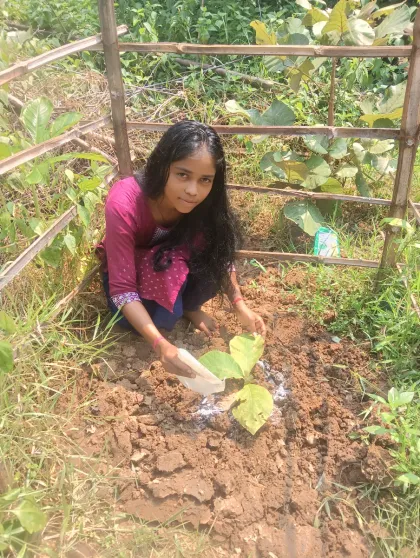
আজকে আমি আমার গাছটি চারপাশে খনন করে দিয়েছি, এবং Ammonium Molybdate সার প্রয়োগ
Nilima Mahato · 67 cheers

🌳 **हर रोज़ एक पेड़ लगाएँ, स्वस्थ और खुशहाल जीवन अपनाएँ।** 🌿 एक पेड़ सिर्फ़ प्
HARISH KUMAR SEN · 63 cheers

हर घर बायो एंझाईम अभियान 🙏 नदी, तालाब जल का जैविक शुद्धीकरण. मिट्टी का जैविक शु
Dipak Mortale Bioenzyme Man · 57 cheers
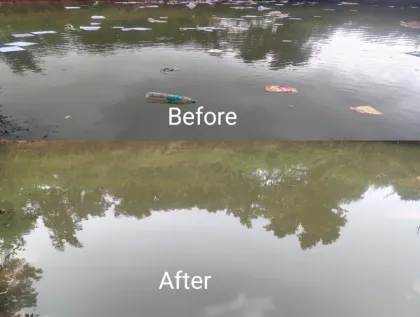
🌊 স্বচ্ছ সাগর, স্বচ্ছ জলাশয় 🌿 আজকে একটি পুকুরের জল পরিষ্কার করলাম। 💧 পরিষ্কা
Nirmal mahato · 56 cheers
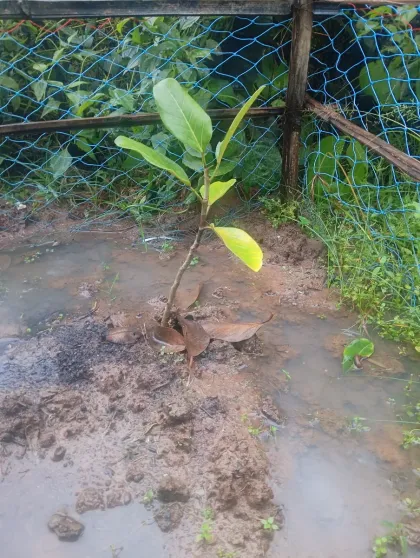
বর্ষার ফাঁকে আজ গাছটি পরিদর্শন করলাম। 🌱🌧️ গাছের স্বাস্থ্য ও বৃদ্ধির অবস্থা দেখ
Nirmal mahato · 52 cheers
Sponsored · EcoMitram may earn from these links
Transform your water quality and conserve resources with our easy-to-use hard water softener!
₹1,597
by BRIJWAY
Check on Amazon
Conserve water sustainably with our durable, wall-mountable storage tank!
₹749
by IONIX
Check on Amazon
Save up to 50% water with our flexible faucet extender—eco-friendly and efficient!
₹395
by waterscience
Check on Amazon
Save water effortlessly with our aerator! Enjoy strong flow while using less.
₹99
by ALTON
Check on AmazonGear is optional — the steps above work without buying anything.
For most hardy plants, yes — it is your regular supply water with the dissolved salts concentrated, not sewage. Alternate it with normal water so salts do not build up in the pot, and if a plant's leaf tips start browning, switch that pot back to fresh water. For mopping, flushing and soaking utensils there is no caveat at all — use it freely.
A bucket is a fixed amount you can see; a shower uses however much time you spend under it. A short, disciplined shower can be modest — but the honest answer is that few of us are disciplined in a hot shower. The bucket wins because it makes the limit physical instead of a matter of willpower.
Almost everything on this page. Bucket baths, tap-off habits, the bucket under the RO, kitchen water to plants — none of it touches a pipe. For drips, a washer change is cheap enough that most landlords agree the moment you offer to get it done. A tap aerator simply screws onto the existing tap and comes with you when you move out.
Agriculture does use the lion's share, and home habits will not change that. But the water your home saves is treated, pumped, piped municipal water — exactly the supply that runs short in summer and puts your society in a tanker queue. That queue is shortened by household demand, not by farm reform. And habits are visible: one bucket under an RO gets copied by neighbours in a way that statistics never are.
No — that is the point of this switch. A bucket and mug you already own, and the rest is habit. If you later want to spend a little, a tap aerator or a washer for a dripping tap costs less than a plate of samosas at the kirana corner — but nothing on this page waits for a purchase.
Change the setup, not the people. Keep the bucket standing in the bathroom so it is the obvious choice, label the RO bucket so nobody tips it out, and hand children the plant-watering job — they enforce the rice-water rule better than any adult. In a society, the summer tanker bill makes the argument in the WhatsApp group far better than a lecture on the environment ever will.