
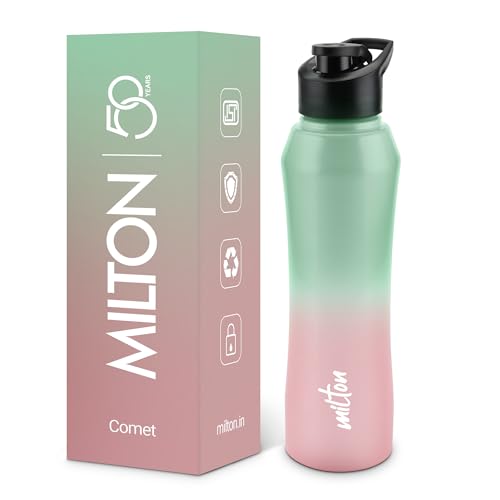
MILTON Comet 1000 Stainless Steel Water Bottle 1000 ml, Single Walled, ISI Certified I Leak Proof…
Ditch plastic! Choose our stainless steel bottle for a sustainable, stylish hydration solution.
₹249
by MILTON
Check on AmazonSwitch · Free
A banana peel sealed in a plastic bag helps no one. The same peel, kept apart, becomes khaad. The same bag, kept dry, gets recycled.
98 members shared
Do not go shopping. Pick two containers from the house: one with a lid for wet waste in the kitchen, one open bin or bag for dry waste anywhere convenient. Green-for-wet and blue-for-dry is the municipal colour convention, but a marker and two labels do the same job. The wet bin should live within arm’s reach of the chopping board — if sorting means walking across the room, it will not survive a busy morning.
Wet waste is anything that was recently alive or edible: peels, leftover food, chai patti, eggshells, bones, flowers from the pooja shelf, garden leaves. Dry waste is everything that can be recycled or recovered if kept clean: paper, cardboard, plastic bottles and wrappers, glass, metal, cloth, tetra packs. A simple test that settles most doubts — could this rot in a week? Wet. Could a kabadiwala get value from it if it were clean? Dry.
Sanitary pads, diapers, razor blades, expired medicines, and swept-up dust belong in neither bin. This is "reject" or domestic hazardous waste in municipal terms. Wrap sharp or sanitary items in newspaper — many cities ask you to mark the packet with a red dot so waste workers are not injured or exposed sorting by hand. It is a small courtesy that the people handling your waste genuinely notice.
A curd cup with curd in it, or a milk pouch with milk in it, turns your whole dry bin into a smelly mess and gets the entire lot rejected at the recycling end. Give food-touched plastic a five-second rinse with the last of your washing-up water and let it drip dry. This one habit is the difference between a dry bin a recycler will accept and a dry bin that quietly goes to landfill anyway.
Wet waste goes out daily — it is the stream that rots. Dry waste can wait a week and go out as one bag, or skip the truck entirely: newspapers, cartons, bottles and metal fetch a few rupees at the raddiwala, which is recycling with a receipt. When the collector comes, hand the bins over separately and say so. If your collector tips both into one compartment, that is worth a polite question — and if you compost at home, your wet bin may never need the truck at all.
Segregation sticks when the whole building does it. Raise it in the society WhatsApp group or the next meeting: two labelled community bins near the gate, a fixed raddiwala pickup day, and a word with the collection contractor about keeping streams separate. The Solid Waste Management Rules, 2016 put source segregation on every waste generator, so a society asking its contractor for two-stream collection is asking for the rulebook, not a favour. Indore — ranked India’s cleanest city year after year in the Swachh Survekshan — built that record household by household, on exactly this habit.
| Add | Skip |
|---|---|
| Peels, leftovers, chai patti — wet bin | Milk pouches, curd cups — rinse, then dry bin |
| Eggshells, bones, spoiled food — wet bin | Chips and biscuit wrappers — dry bin, always |
| Flowers, garden leaves — wet bin | Diapers, sanitary pads — reject, wrapped separately |
| Coconut shells, corn cobs — wet bin | Broken glass, blades — wrapped, marked, reject |
| Paper plates soiled with food — wet bin | Medicine strips, expired tablets — domestic hazardous |

গতকাল চারা গাছটিতে সার প্রয়োগ করেছিলাম। 🌱 আজকে সেই গাছটিতে জল দিলাম, যাতে গাছট
Nirmal mahato · 71 cheers

আজকে চারা গাছটিতে জল দিলাম। 🌱💧 গাছের সঠিক যত্নই তার সুস্থ ও সুন্দরভাবে বেড়ে ও
Nirmal mahato · 59 cheers

हर घर Bioenzyme 🙏 भारत सरकार ने BioE3 पॉलसी Aug 2024 को डिक्लिअर की. इसका उद्दे
Dipak Mortale Bioenzyme Man · 45 cheers

সকলে মিলে গাছ লাগাই, পরিবেশকে সবুজ ও সুন্দর করে তুলি। 🌱🌿 গাছ লাগান, গাছ বাঁচান
Basanti Mahato · 42 cheers

हर घर Bioenzyme 🙏 Bioenzyme Technology यह विषय B. Sc. Herbal Technology कोर्स म
Dipak Mortale Bioenzyme Man · 40 cheers
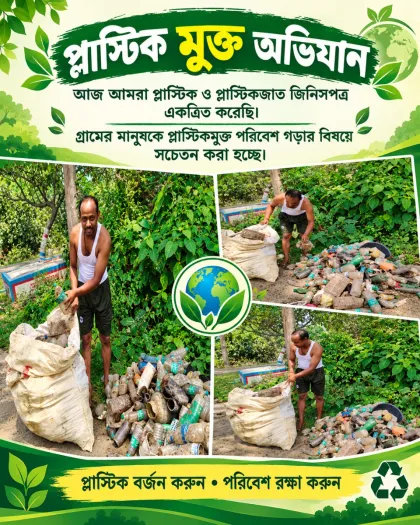
🙏 প্লাস্টিক মুক্ত অভিযান 🌿 আজ আমরা বিভিন্ন ধরনের প্লাস্টিক ও প্লাস্টিকজাত সামগ
Nirmal mahato · 39 cheers
Sponsored · EcoMitram may earn from these links
Ditch plastic! Choose our stainless steel bottle for a sustainable, stylish hydration solution.
₹249
by MILTON
Check on Amazon
Ditch single-use plastics! Choose our stainless steel bottle for a sustainable, stylish hydration solution.
₹189
by Lifelong
Check on Amazon
Grow your plants sustainably with our eco-friendly, recyclable grow bags!
₹439
by Anandi Green's
Check on Amazon
Boost your garden's health with Ugaoo's organic vermicompost—nature's best fertilizer!
₹259
by UGAOO
Check on AmazonGear is optional — the steps above work without buying anything.
Sometimes it genuinely does, and that is worth raising with your society and your ward office — the Solid Waste Management Rules, 2016 oblige collectors to keep segregated streams separate. But even where the truck fails you, segregation at home is not wasted: your dry waste can bypass the truck entirely via the raddiwala, your wet waste can become khaad in a home or society composter, and a building that visibly segregates is the strongest argument for fixing the collection round.
Dry — but only after a rinse. The pouch is plastic and recyclable; the milk film inside is what makes people wrongly bin it as wet. Rinse it with the last of your washing-up water, let it dry, and it belongs with the rest of your plastic. The same logic covers curd cups, oil pouches, and tetra packs.
Neither bin. These are reject or domestic hazardous waste: wrap them in newspaper, and mark the packet with a red dot where your city follows that practice, so waste workers sorting by hand are not exposed or injured. Hand this packet over separately — never tucked into the wet or dry bin.
Smell is almost always liquid plus time. Drain excess liquid before binning, keep a lid on, line the bottom with a sheet of newspaper, and hand the wet stream over daily — it is the dry bin that can wait a week, never the wet one. Households that compost notice the smell problem largely disappears, because peels go straight to the khaad pot instead of sitting in a closed bin.
No — keep two streams at home regardless. Hold dry waste back for the raddiwala and hand only the wet bag into the common bin; you have then kept the recyclable stream clean single-handedly. Meanwhile, raise it with the society: one extra labelled bin near the gate is a small ask, and the 2016 rules put the obligation on the society as a bulk generator too.
No. The colours are a convention, not a requirement — green for wet, blue for dry helps collectors recognise streams at a glance, but any two labelled containers from the house do the job. This switch is free by design: the habit is the equipment.