
Handmade Pure Coir Nest Bird House
Support local wildlife with this eco-friendly coir birdhouse, crafted for nature lovers!
5
₹285
by LIVEONCE
Check on AmazonDiscover eco-friendly upcycling products curated and trusted by the EcoMitram community.
Support local wildlife with this eco-friendly coir birdhouse, crafted for nature lovers!
₹285
by LIVEONCE
Check on Amazon
Transform your old clothes with vibrant, eco-friendly dyes and embrace sustainable fashion!
₹237
by KADAM (LABEL)
Check on Amazon
Write green with our plantable seed pens—98% recycled and eco-friendly!
₹419
by Swarnalekha
Check on Amazon
Ditch plastic! Store veggies sustainably with our eco-friendly cotton fridge bags.
₹279
by NECAVU
Check on Amazon
Revive your faded jeans sustainably with our eco-friendly fabric dye!
₹278
by KADAM (LABEL)
Check on Amazon
Elevate your space with this stylish upcycled metal plant stand, perfect for eco-conscious decor!
₹278
by CINAGRO
Check on Amazon
Grow sustainably with our durable gardening tools—perfect for your eco-friendly garden!
₹449
by Kraft Seeds
Check on Amazon
Revive your faded clothes sustainably with our eco-friendly fabric dye!
₹248
by KADAM (LABEL)
Check on Amazon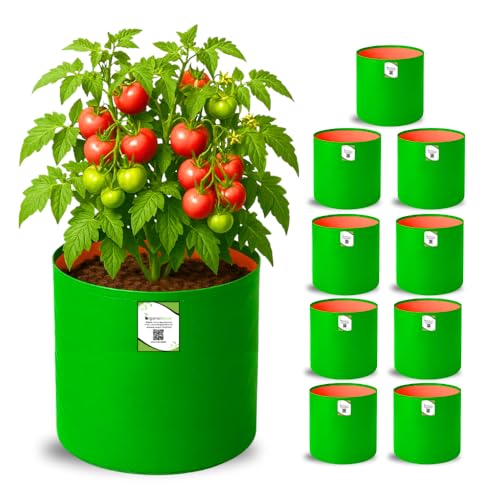
Grow your own veggies sustainably with our eco-friendly, recycled grow bags!
₹666
by ORGANIC BAZAR
Check on Amazon
Transform your old clothes into new favorites with eco-friendly fabric dye!
₹289
by KADAM (LABEL)
Check on Amazon
Write your thoughts sustainably with our recycled handmade notebook!
₹649
by mycarbonfootprint
Check on Amazon
Transform your wardrobe sustainably with our eco-friendly fabric dye for vibrant, long-lasting colors!
₹297
by KADAM (LABEL)
Check on Amazon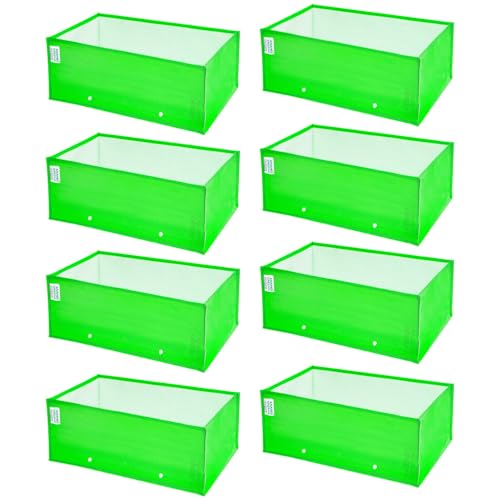
Grow your plants sustainably with our eco-friendly, upcycled grow bags!
₹516
by Anandi Green's
Check on Amazon
Ditch plastic! Choose our durable cotton tote for a sustainable shopping experience.
₹239
by DOUBLE R BAGS
Check on Amazon
Grow your garden sustainably with our eco-friendly, upcycled grow bags!
₹757
by ORGANIC BAZAR
Check on Amazon
Ditch plastic! Embrace eco-friendly jute bags for your yoga gear and make a sustainable statement.
₹279
by SNDIA
Check on Amazon
Revive your old clothes sustainably with our eco-friendly fabric dye!
₹258
by KADAM (LABEL)
Check on Amazon
Grow your garden sustainably with our eco-friendly seed starter trays made from recycled materials!
₹149
by S.J ORGANICS
Check on Amazon
Grow your plants sustainably with our reusable seedling trays—eco-friendly and perfect for indoor gardening!
₹249
by S.J ORGANICS
Check on Amazon
Ditch plastic! Choose our organic cotton tote for a sustainable shopping experience.
₹569
by COVIRA
Check on Amazon
Elevate your decor sustainably with this upcycled metal tricycle candle holder!
₹303
by CentraLit
Check on Amazon
Step into sustainability with our ultra-soft bamboo socks—eco-friendly and stylish!
₹474
by BAMBOS
Check on Amazon
Step into comfort and sustainability with our eco-friendly bamboo socks!
₹474
by BAMBOS
Check on Amazon
Transform waste into art with our charming upcycled glass jars—perfect for your creative projects!
₹177
by VRB Dec
Check on Amazon16 community posts about upcycling

Suguna
10 days ago
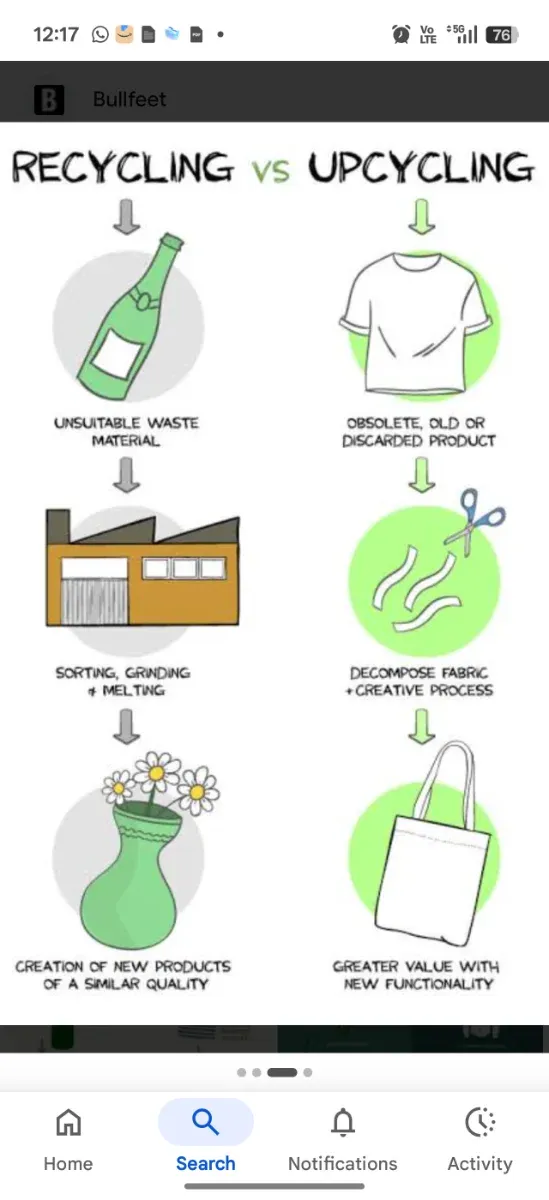
Upcycling and recycling both reduce waste, but they differ in how they process materials and their overall environmental impact. Recycling • Definition: Breaking down discarded items into raw materials to manufacture new products. • Process: Industrial and mechanical (e.g., melting glass, shredding paper, or turning plastic bottles into rPET polyester). • Energy Use: High, due to centralized collection, sorting, and chemical or thermal processing. • Material Quality: Often degrades or weakens over time (e.g., shorter paper fibers or lower-grade plastic). • Scalability: High; ideal for mass-producing standardized materials like metals, paper, and glass. • Examples: Turning old aluminum cans into new aluminum cans, or processing paper waste into recycled cardboard. Upcycling • Definition: Creatively reusing discarded materials or objects to transform them into items of higher value, utility, or artistic worth. • Process: Direct, hands-on modification without breaking the core material down to its molecular level. • Energy Use: Low, as it avoids heavy industrial remanufacturing. • Material Quality: Retains or enhances the strength and character of the original material. • Scalability: Low; usually done on a small, artisanal, or custom scale. • Examples: Turning old denim jeans into tote bags, making lamps out of empty glass bottles, or converting wooden pallets into furniture. Key Differences at a Glance Feature Recycling Upcycling Action Breaks down materials Repurposes items as-is Energy Consumption High Low Scale Mass-industrial Artisanal / DIY Material Integrity Can weaken over time Preserved or enhanced Primary Output Standardized raw or bulk goods Unique, custom-designed products Banyan Nation Recycling and Upcycling: What's the Difference? **Upcycling**: * **Examples**: * Reupholstered sofas * Patched denim jackets * Lamps made from empty liquor bottles **Recycling**: * **Definition** Breaking dow... reridestore.com Upcycling vs Recycling – What's the Difference in Fashion? - Reridestore We often hear the words “recycling” and “upcycling” used interchangeably, but they're not the same. In fashion, the difference is especially important – it dete... Attero Upcycling vs Recycling: Key Differences Explained - Attero Recycling is converting waste materials into new products, reducing the need for raw resources and minimizing environmental impact. Common examples of recyclabl... YouTube·UAACS - Upcycle Art And Craft Society 5:25 Difference between Upcycling and Recycling YouTube·FittDesign Studio 2m Recycling Vs. Up-cycling: What's The Difference? lucro.in Upcycling vs Recycling vs Downcycling - Lucro 12 Aug 2026 — What is Upcycling? The upcycling meaning refers to transforming used materials into products with equal or greater value without breaking down the material comp... Dwij Difference Between Upcycling and Recycling - Dwij The debate around upcycling vs recycling frequently focuses on creativity and individuality. Recycling is an industrial, mechanical process that doesn't allow m... Sage Journals Upcycling versus recycling in fast fashion: A systematic-critical ... The linear 'take-make-dispose' model of the fast fashion industry has generated a severe textile waste crisis, demanding a shift towards circular economy resolu... Bay Area Recycling for Community Recycling vs. Upcycling: What's the Difference? Furniture Makeovers Instead of buying new, give outdated furniture a new look with paint, fabric, or wood refinishing. An old dresser can be transformed into a ... GoodBuy Gear Upcycling vs. Recycling: 8 Examples & Use Cases You can upcycle household items or do it with items you find at thrift stores or online. * Is upcycling more sustainable than recycling? Both are zero-waste pra... Images Recycling vs Upcycling: What's the Difference? Banyan Nation Upcycling vs Recycling vs Downcycling in Fashion | Infographic POMP UK What is Upcycling? Upcycling vs Recycling – Bullfeet
8 likes

GOUSIA BEGUM
20 days ago
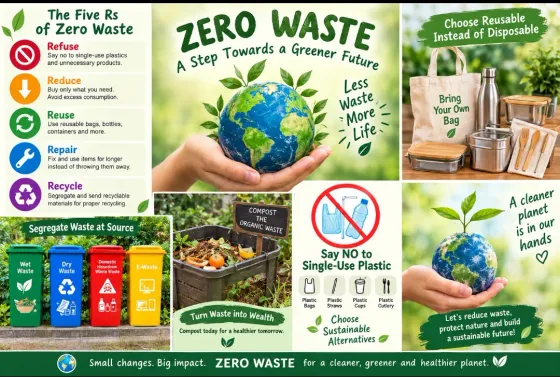
ZERO WASTE – A STEP TOWARDS A GREENER FUTURE “The greatest threat to our planet is the belief that someone else will save it.” Zero Waste is not just an environmental concept; it is a way of life that encourages us to protect our planet by reducing waste, reusing materials, and recycling resources. In a world where pollution, plastic waste, and excessive consumption are increasing rapidly, adopting a Zero Waste lifestyle has become more important than ever. Every small step towards reducing waste can make a significant difference to the environment. What Is Zero Waste? Zero Waste is an approach that aims to prevent waste generation and ensure that resources are used wisely rather than discarded. It encourages people to rethink their consumption habits, refuse unnecessary products, reduce waste, reuse materials, repair damaged items, and recycle wherever possible. The goal is to minimise the amount of waste sent to landfills and incinerators while conserving natural resources and protecting ecosystems. Why Is Zero Waste Important? Improper waste disposal contaminates soil and water, pollutes the air, harms wildlife, and contributes to climate change. Plastic waste, in particular, threatens aquatic life and takes a long time to break down. Food waste is another serious concern. When food is thrown away, the water, energy, land, and labour used to produce it are also wasted. A Zero Waste approach helps conserve natural resources, reduce pollution, save energy, protect biodiversity, and create a cleaner and healthier environment for present and future generations. The Five Rs of Zero Waste The Five Rs provide a simple framework for achieving a Zero Waste lifestyle: 1. Refuse: Say no to unnecessary products, single-use plastics, and excessive packaging. 2. Reduce: Buy only what you need and avoid unnecessary consumption. 3. Reuse: Carry reusable bags, water bottles, lunch boxes, and containers instead of disposable alternatives. 4. Repair: Fix damaged clothes, furniture, electronic devices, and other useful items instead of throwing them away. 5. Recycle: Segregate recyclable materials such as paper, glass, metal, and suitable plastics and send them for proper recycling. By following these principles, we can significantly reduce the amount of waste we generate every day. Zero Waste at Home and in Schools A Zero Waste lifestyle begins at home and extends to schools, offices, and communities. Families can segregate waste into wet, dry, and domestic hazardous waste according to local guidelines. Kitchen waste can be converted into compost, while reusable products can replace disposable items. Schools can play a vital role by encouraging students to carry reusable water bottles and lunch boxes, avoid plastic covers, use both sides of paper, maintain clean campuses, and participate in composting and recycling activities. Eco-Clubs and National Green Corps (NGC) units can organise awareness rallies, waste audits, cleanliness drives, poster competitions, and campaigns against single-use plastics. Students can become environmental ambassadors and inspire their families and communities to adopt sustainable practices. The Role of Every Citizen Zero Waste is not the responsibility of governments alone. Every individual has a role to play. Shopkeepers can reduce unnecessary packaging, households can prevent food waste, institutions can introduce waste segregation, and local authorities can strengthen collection and recycling systems. We must remember that cleanliness does not mean merely sweeping waste away from our surroundings. True cleanliness begins when we prevent waste from being generated and ensure that the waste we produce is managed responsibly. A clean street is important, but a community that generates less waste is even better. Towards a Sustainable Future The journey towards Zero Waste requires awareness, discipline, cooperation, and consistent action. We may not achieve absolutely zero waste overnight, but we can move closer to this goal through responsible choices and collective commitment. Instead of asking, “Who will clean up this waste?” we must begin asking, “How can we prevent this waste from being created?” Let us choose reusable products over disposable ones, compost organic waste, segregate waste at source, protect our natural resources, and encourage others to follow sustainable practices. Conclusion Zero Waste is not about producing no waste overnight; it is about making conscious choices to waste less every day. Our planet does not need a few people practising sustainability perfectly; it needs millions of people making sustainable choices consistently. Let us transform our homes, schools, offices, and communities into Zero Waste spaces. Every bottle reused, every meal saved, every item repaired, and every piece of waste properly segregated is a step towards a healthier planet. “Refuse what you don't need, reduce what you consume, reuse what you can, repair what you value.Gousia Jangaon
8 likes

sripadi vijaya
22 days ago
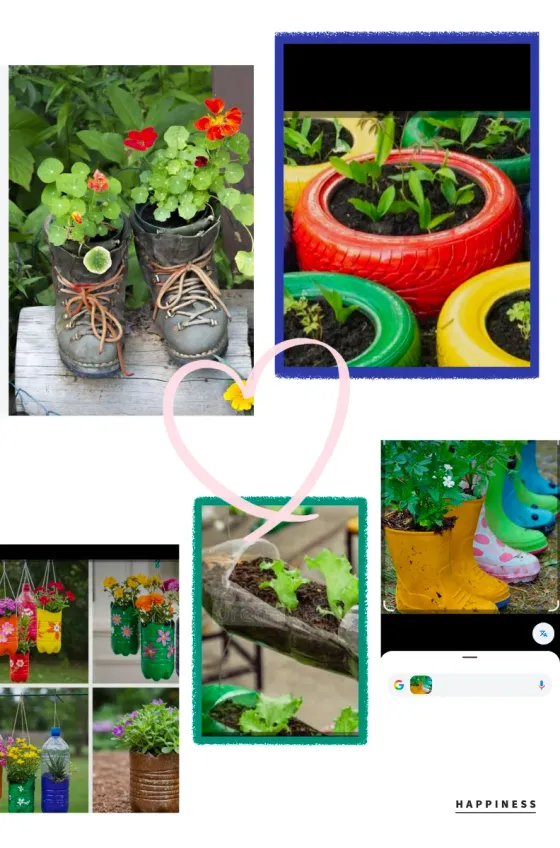
Kgbv Bachannapet JANGAON district Upcycling or creative re -use is one of the way we can re-use materials
9 likes