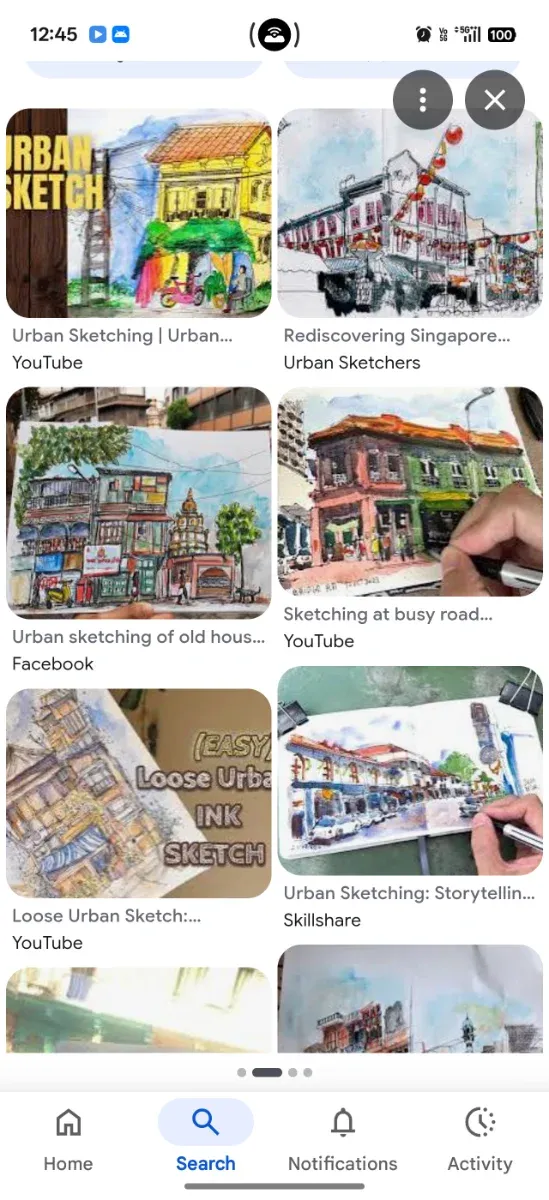

The term urban greetings can refer to a few distinct concepts depending on whether you are looking at social communication, art and design, or greeting card styles. Here is a breakdown of the key information and drawing styles associated with the term. 1. Urban Greetings in Language & Culture In linguistics and social culture, urban greetings refer to casual, modern, and street-level ways people say hello in cities. Unlike formal greetings, they are designed to be quick, expressive, and culturally relatable. • Casual & Street Slang. Common phrases include "Yo," "What's up?" or "Sup". In places like the UK, urban greetings often include "Wagwan" (what's going on), "Safe," or "What you saying". • Physical Gestures. Verbal slang is frequently paired with relaxed physical acknowledgments such as a head nod, fist bump, or a one-armed hug among friends. In professional urban settings, standard handshakes remain common. 2. Urban Greeting Card Art & Drawing In art and illustration, "urban greetings" describes greeting cards, postcards, and illustrations that capture city life, street culture, and modern architecture. • Urban Sketching. Many artists create custom greeting cards using urban sketching, which involves drawing cityscapes, cozy cafes, historic storefronts, and bustling streets on location. Artists typically use waterproof fineliner pens paired with loose watercolor washes. • Street Art & Graffiti Typography. Modern urban cards often feature bold graffiti lettering, comic-style graphics, and vibrant pop-art colors to deliver celebratory messages like "Happy B-Day". • Minimalist City Skylines. Another popular drawing style uses continuous single-line art or clean architectural silhouettes to depict iconic city landmarks, often used for New Year's, moving announcements, or travel postcards. 3. How to Draw an Urban Greeting Scene If you want to draw your own urban-themed greeting card or street scene, follow these foundational steps: • Establish Perspective. Start by lightly sketching a horizon line and a single vanishing point in the center. Draw angled lines radiating from that point to map out the edges of streets, sidewalks, and building rooflines. • Block Out Structures. Draw simple geometric boxes along your perspective lines to represent storefronts, apartments, or brownstones. Add doors, windows, and awnings that follow the same angled guidelines. • Add Urban Life & Details. Bring the scene to life by sketching pedestrians, bicycles, streetlamps, trees, and café tables. Keep figures simple so they add movement without cluttering the drawing. • Ink and Color. Trace over your pencil lines with a black fineliner pen, varying line thickness for depth. Add splashes of watercolor or colored pencil to highlight specific areas, leaving some white space around the edges to frame your greeting message.