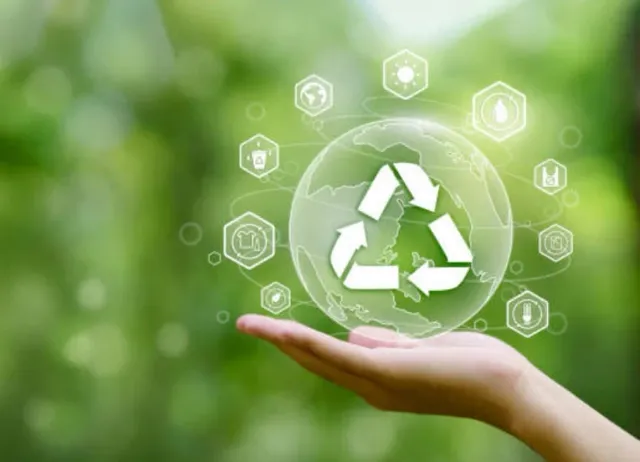

ZERO WASTE – A STEP TOWARDS A GREENER AND HEALTHIER FUTURE “The Earth Has Enough for Everyone’s Need, but Not for Everyone’s Greed.” Introduction Our planet Earth provides us with everything we need to live—air, water, food, forests, and natural resources. However, increasing consumption, careless disposal of waste, excessive use of plastics, and irresponsible human activities are putting enormous pressure on our environment. In this situation, the concept of Zero Waste offers a practical and sustainable solution to protect our planet and create a cleaner, healthier future. Zero Waste is not merely a waste management strategy; it is a way of life that encourages us to use resources responsibly, minimise waste generation, and respect nature. What Is Zero Waste? Zero Waste is an approach that aims to prevent waste from being generated and to ensure that resources are reused, repaired, recycled, or composted instead of being dumped in landfills or burned. The central idea is simple: “Refuse what you do not need, reduce what you use, reuse what you can, repair what is damaged, and recycle what remains.” Rather than treating waste as something to be discarded, Zero Waste encourages us to recognise the value of materials and use them wisely. The Five Rs of Zero Waste The Five Rs provide a practical framework for adopting a Zero Waste lifestyle. 1. Refuse: Say no to unnecessary plastic bags, disposable cups, straws, and other single-use products. Refusing unnecessary items is the first step towards preventing waste. 2. Reduce: Purchase only what is necessary. Avoid food wastage, unnecessary packaging, and excessive consumption. A simple lifestyle can significantly reduce the burden on nature. 3. Reuse: Carry reusable cloth bags, water bottles, lunch boxes, and containers. Reusing materials helps conserve natural resources and reduces pollution. 4. Repair: Repair damaged clothes, furniture, electronic devices, and household items instead of immediately replacing them. Repairing extends the life of products and reduces waste. 5. Recycle: Separate paper, plastic, metal, and glass from other waste and send recyclable materials to appropriate recycling facilities. Recycling helps recover valuable resources and reduces the need for new raw materials. Organic waste, such as vegetable peels and fallen leaves, can be converted into nutrient-rich compost. Why Is Zero Waste Important? 1. Protecting the Environment Improper waste disposal pollutes our land, water, and air. Plastic waste can remain in the environment for many years and harm animals and aquatic life. Reducing waste helps protect ecosystems and preserve biodiversity. 2. Conserving Natural Resources Every product we use requires raw materials, water, and energy. By reusing, repairing, and recycling products, we reduce the demand for fresh resources and help conserve nature for future generations. 3. Reducing Pollution Burning waste can release harmful pollutants, while dumping waste carelessly can contaminate soil and water. Responsible waste management helps create cleaner surroundings and healthier communities. 4. Preventing Food Waste Food waste is a major environmental concern. Planning meals, storing food properly, serving appropriate portions, and sharing surplus food safely can prevent unnecessary waste. Organic leftovers that cannot be consumed may be composted where appropriate. 5. Combating Climate Change Producing, transporting, and disposing of goods consume energy and generate greenhouse gas emissions. Preventing waste and using resources efficiently can help reduce these emissions. Zero Waste Begins at Home Every household can become a centre of environmental responsibility through small but meaningful actions. - Carry cloth bags while shopping. - Avoid unnecessary single-use plastics. - Use reusable bottles, plates, and containers. - Separate wet waste and dry waste. - Compost kitchen scraps and garden waste. - Donate usable clothes, books, and household items. - Repair products instead of discarding them. - Buy products with minimal packaging. - Never litter public places, roads, parks, or water bodies. When these simple habits become part of our daily routine, they can collectively bring about significant environmental change. Schools: The Perfect Starting Point for Zero Waste Schools play a vital role in shaping environmentally responsible citizens. Children who learn sustainable habits at an early age can influence their families and communities. Every school can adopt a Zero Waste School Initiative by implementing the following practices: 1. Plastic-Free Campus: Encourage students and staff to avoid single-use plastics and use reusable alternatives. 2. Waste Segregation: Place clearly labelled bins for appropriate categories of waste and teach students how to use them correctly. 3. Composting Units: Convert suitable biodegradable waste from school gardens and food preparation into compost. GOUSIA NGC JANGAON