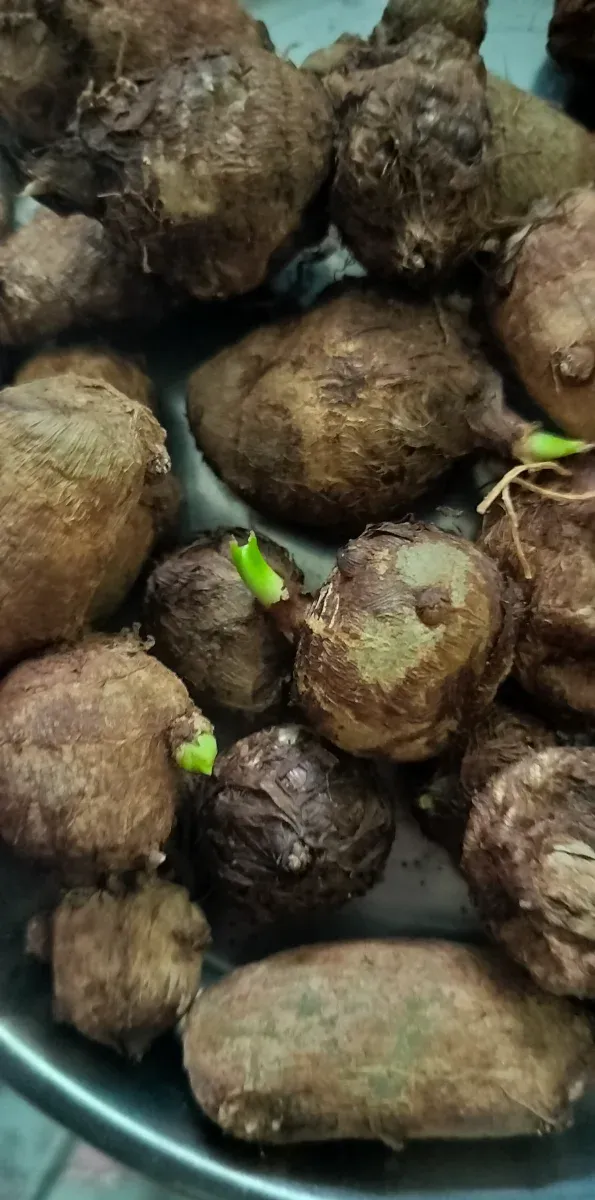

The Speciality of Taro Root – Why Should We Eat It? Taro root, commonly known as Colocasia or Arbi, is a traditional root vegetable that has been a part of Indian cuisine for generations. Though it may look simple and ordinary, taro is a nutritious food that can be a valuable addition to a balanced diet. One of the special qualities of taro is that it is a good source of complex carbohydrates, which provide energy and help keep us active. It also contains dietary fibre, which supports healthy digestion and helps maintain regular bowel movements. Foods rich in fibre can also help us feel full for longer. Taro provides several important nutrients, including potassium, magnesium, vitamin C and vitamin B6. Potassium is important for normal muscle and nerve function, while magnesium contributes to many essential processes in the body. Its vitamin content also supports normal immune and metabolic functions. Another important feature of taro is its resistant starch content. Resistant starch is a type of carbohydrate that is not completely digested in the small intestine and can be fermented by beneficial bacteria in the large intestine. Thus, when consumed as part of a balanced diet, taro can contribute to good gut health. Taro is naturally gluten-free, making it a useful food choice for people who need to avoid gluten. It can be boiled, steamed, roasted or incorporated into traditional dishes. However, raw taro should never be eaten, because it contains naturally occurring calcium oxalate compounds that can cause irritation and discomfort. Proper cooking significantly reduces this problem. Taro is also a versatile and affordable vegetable. Instead of relying only on highly processed carbohydrate foods, traditional root vegetables such as taro can provide energy along with fibre and essential nutrients. In conclusion, taro root is much more than an ordinary vegetable. Its fibre, complex carbohydrates, minerals and other nutrients make it a wholesome food when prepared properly. Including seasonal and locally available vegetables such as taro in our meals is a simple way to make our diet more diverse, nutritious and traditional. “Eat local, eat seasonal, eat nutritious – and let traditional foods find their place on our modern plate.” This Harvest from my own Backyard. Gousia TGNGC JANGAON,Telangana