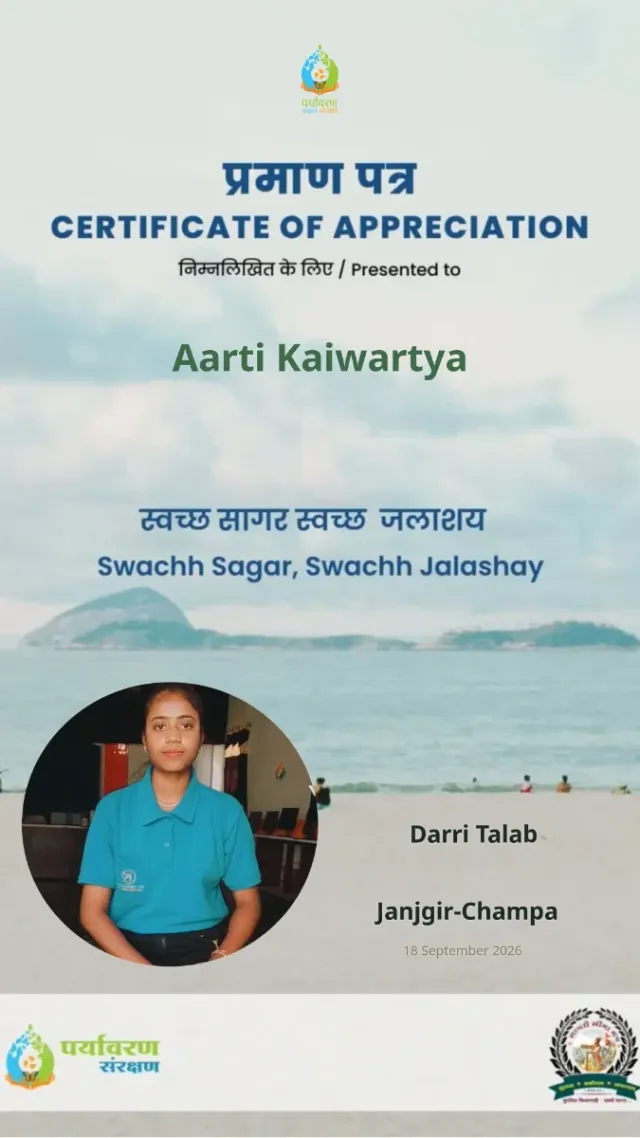

🌺💐They protect water, keep weapons, save the environment, and also protect nature." Water conservation and environmental protection are two of the most critical challenges facing humanity today, as the survival of all living organisms directly depends on the health of our planet's natural resources. Water is the absolute elixir of life, yet despite the Earth being covered mostly by vast oceans, only a tiny fraction is accessible as fresh water for drinking, agriculture, and daily survival. Rapid industrialization, explosive population growth, and reckless urbanization have severely depleted groundwater levels and heavily polluted freshwater bodies worldwide. To tackle this escalating crisis, we must immediately adopt sustainable water-saving habits in our daily lives. Simple individual actions such as turning off running taps while brushing or shaving, fixing leaking pipes and fixtures immediately, and switching from long showers to efficient bucket baths can save thousands of gallons of water annually. On a larger community scale, implementing rainwater harvesting systems in households and schools allows us to store natural precipitation effectively, thereby recharging the underground water table and providing an alternative supply for non-potable uses like gardening, flushing, and cleaning. Furthermore, the agricultural sector must modernize by incorporating advanced drip irrigation and targeted sprinkler systems, which deliver water directly to plant roots and minimize massive wastage through evaporation and runoff. Closely tied to water conservation is the overarching global duty to safeguard the entire environment from severe degradation. Our planet is currently battling catastrophic crises like global warming, rapid deforestation, and rampant plastic pollution that threatens biodiversity. Protecting the environment requires a collective shift toward sustainable, eco-friendly practices, beginning with the strict principle of reducing, reusing, and recycling waste. We must actively minimize our consumption of toxic single-use plastics, which choke marine life and take hundreds of years to decompose, and instead choose biodegradable or reusable alternatives. Energy conservation also plays a vital role in environmental safety; by steadily switching to renewable energy sources like solar and wind power, and minimizing unnecessary electricity consumption at home, we can significantly cut down greenhouse gas emissions. Additionally, mass afforestation—the active planting of native trees—is crucial because forests act as the Earth's natural lungs, absorbing carbon dioxide, purifying the air, regulating local climates, and preventing devastating soil erosion. Public transport, carpooling, and electric vehicles should also be encouraged to reduce air pollution in cities. Governments, communities, and industries must also enforce much stricter regulations against discharging untreated toxic chemical effluents into water streams and releasing harmful emissions into the atmosphere. Ultimately, saving water and conserving nature are not optional choices but absolute necessities for maintaining ecological balance. Every individual must profoundly recognize that their small everyday choices, when multiplied by millions of people, possess the immense power to either degrade the planet or restore it, ensuring a greener, healthier, and safer world for all future generations.🌹🌸